The Entrepreneur’s Guide to Mastering Funding Dynamics
Most entrepreneurs believe funding follows a simple path. That’s far from the truth. Understanding funding dynamics means recognizing the twists and turns that shape your access to financial resources—and how your strategic planning can turn those challenges into business growth. In this guide, you’ll find clear steps to master these complexities and push your venture toward real scaling success.
Understanding Complex Funding Dynamics

Navigating the world of business funding isn’t straightforward, but understanding its dynamics can make a huge difference. Let’s break down the basics and identify the key players involved.
The Basics of Funding Dynamics
Funding dynamics involve understanding how money flows into your business. It’s about recognizing different sources of financial support, from venture capital to angel investors. Each funding source has its quirks and demands. For instance, venture capitalists may seek a high return, while angel investors might offer more flexibility. Your goal is to know these distinctions and choose what’s best for you.
Consider this: A startup founder once shared that her business thrived after she switched from seeking bank loans to tapping into angel investors. The flexibility allowed her to innovate without constant pressure. Her story shows how crucial the right funding source can be.
Key Players in the Funding Process
Understanding the major players in funding can help you strategize better. These players include venture capitalists, angel investors, banks, and crowdfunding platforms. Each has distinct expectations and offers different benefits. For instance, banks may require collateral, while crowdfunding relies on public interest.
A real-world example: A tech startup used crowdfunding to test its product-market fit, reaching potential customers even before launching. This approach not only raised funds but also validated their concept. These insights can help you decide whom to approach and when.
Common Challenges Entrepreneurs Face
Entrepreneurs often face hurdles like finding the right investors and managing financial expectations. One common challenge is the fear of giving up too much equity. Balancing investor demands with maintaining control over your business can be tricky.
Consider this scenario: A startup founder struggled with giving up equity but eventually found an investor whose vision aligned perfectly with theirs. This match made a world of difference in the company’s growth trajectory. The takeaway? It’s not just about money; it’s about finding the right fit.
Strategic Planning for Financial Success

Strategic planning is crucial to managing funding dynamics effectively. Setting goals, crafting a compelling pitch, and identifying the right resources can lead to financial success.
Setting Clear Funding Goals
Clear goals are your roadmap to funding success. Start by defining what you need and why. Whether it’s expanding your team or launching a new product, clarity helps you communicate your needs effectively to potential investors.
A startup founder once shared how setting specific funding goals helped secure a $500,000 investment. By detailing how each dollar would be used, she built trust with investors, showcasing her commitment and vision. This approach can work wonders in your funding journey.
Building a Winning Pitch
Your pitch is your chance to shine. It’s about telling your story in a way that connects with investors. Highlight your unique value proposition and how you plan to achieve it. Remember, investors back people, not just ideas.
A compelling pitch helped a founder secure funding even in a competitive market. By showcasing passion and a solid plan, she won over investors who believed in her vision. Keep your pitch concise and backed by data. Explore more on crafting an effective pitch.
Identifying the Right Financial Resources
Choosing the right financial resources can make or break your business. Consider the long-term implications and align them with your goals. Sometimes, a combination of resources works best.
For example, a business owner used a mix of venture capital and crowdfunding to balance control and capital infusion. This hybrid approach allowed flexibility while securing necessary funds. Your choice of resources should reflect your business needs and growth plans.
Actionable Steps for Business Growth
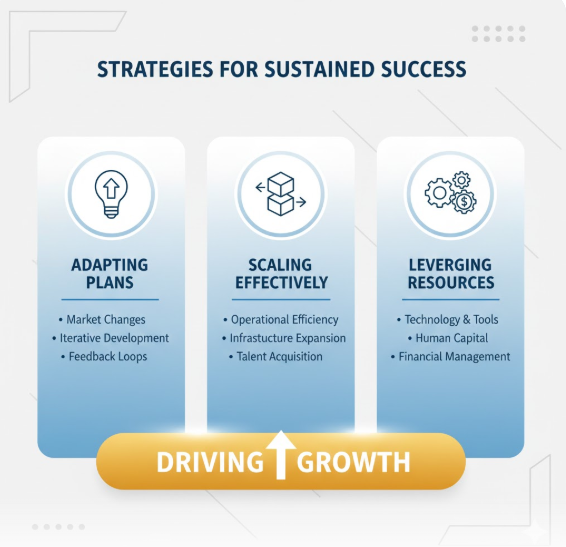
Beyond securing funds, you need strategies that drive growth. Adapting plans, scaling effectively, and leveraging resources are key components of sustained success.
Adapting Entrepreneurial Strategies
Adapting strategies ensures your business stays relevant. It’s about being flexible and responsive to market changes. This adaptability can open doors to new opportunities and keep your business thriving.
An entrepreneur once pivoted her business model in response to market feedback, leading to a 30% increase in customer retention. Her willingness to adapt was a game-changer. Stay open to change and be willing to tweak your strategies as needed.
Scaling Your Business Effectively
Scaling is more than just expansion; it’s about doing so sustainably. Plan your growth carefully, ensuring you have the right infrastructure and team in place. Success here means maintaining quality while increasing volume.
A business owner scaled effectively by focusing on core strengths and gradually expanding into new markets. This steady approach avoided overstretching resources and ensured consistent growth. Your scaling strategy should align with your capabilities and market demand.
Leveraging Resources for Long-term Success
Leveraging resources involves maximizing what you have for sustained growth. This could mean optimizing operations, forming strategic partnerships, or investing in technology.
A company that focused on streamlining operations saw a 25% boost in productivity. By leveraging existing resources efficiently, they gained a competitive edge. Consider what resources you can optimize to enhance your business operations.
By understanding funding dynamics and applying strategic planning, you can navigate the complexities of entrepreneurship successfully. The journey may not be easy, but with the right insights and actions, long-term success is within reach.